
25 Years After 9/11, Muslims Are Still Politicians’ Favorite Scapegoat
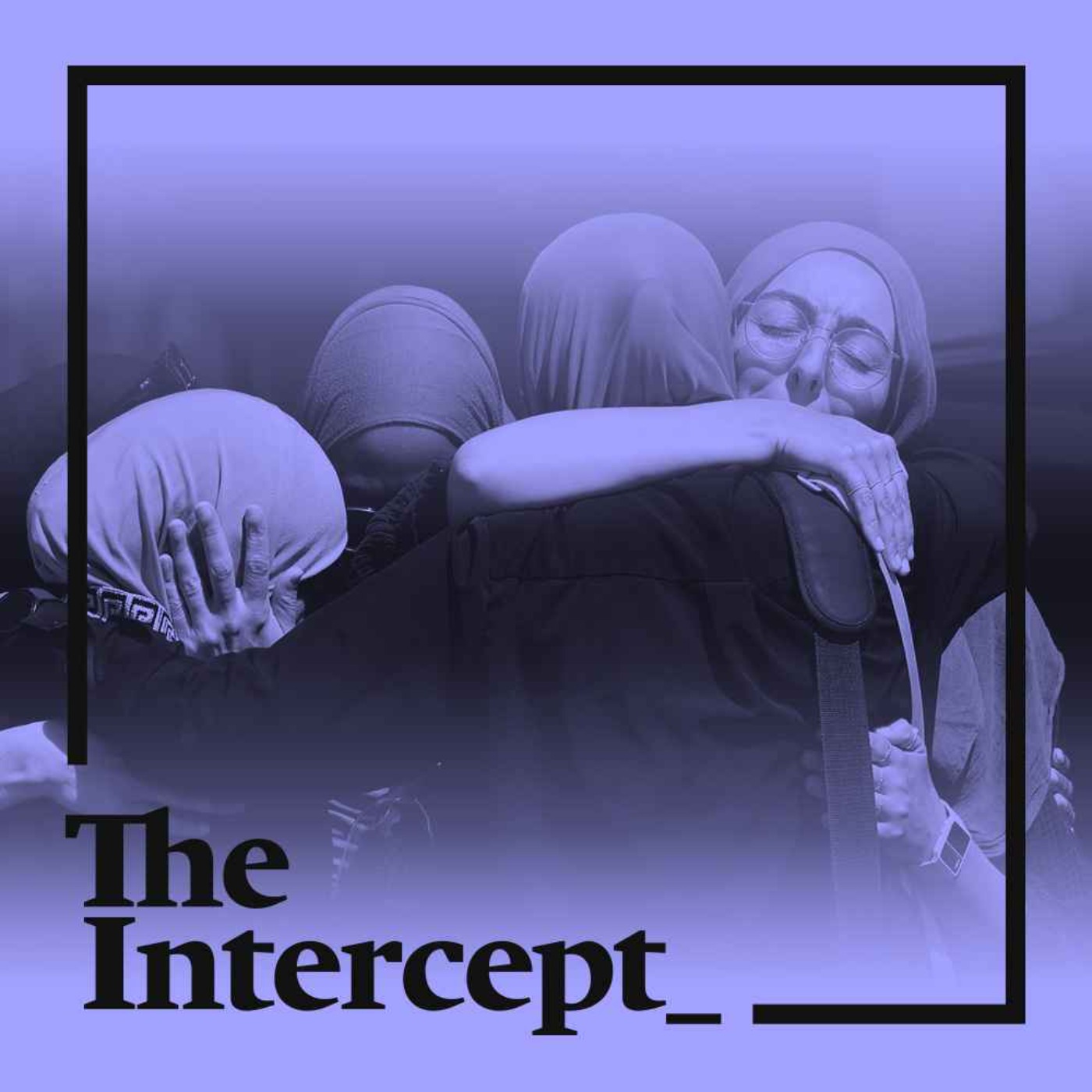
A quarter century after the September 11 attacks emboldened then-President George W. Bush to launch the “war on terror,” many Americans might like to think they’re wiser than the politicians and pundits who unleashed a flood of anti-Muslim hatred and eroded civil liberties through warrantless wiretaps and racist deportation campaigns.
But some of the most notorious Bush-era advents — like the Department of Homeland Security and the prison colony at Guantánamo Bay — don’t appear to be going anywhere. Nor does the phenomenon of Islamophobia, which is playing a major role in the current political cycle. Michigan Democratic Senate nominee Abdul El-Sayed — who, if elected, would be the first Muslim U.S. senator — has been called a terrorist, a radical Islamist, and a threat to national security, as pro-corporate and pro-Israel super PACs spend millions on ads that paint him as a terrorist sympathizer. In New York City, meanwhile, local media has suggested that the city’s first Muslim mayor, Zohran Mamdani, should not attend the commemoration of the World Trade Center attacks, as if to do so would be an insult to the victims and their families.
“Islamophobia actually becomes more rampant during election season — not necessarily after a terrorist attack, but actually during election season in the U.S.,” journalist Rozina Ali tells The Intercept Briefing. “What's happened over the last three decades is that Islamophobia has become a feature of American politics. ... When you can't actually discuss the policies, when we're not willing to engage in facts, it's really easy to throw racist rhetoric at people.”
“The fight that we're seeing now is whether we are willing to accept all forms of religion in this country. And as much as I want to say this is just more of what we've seen in the past, I think what does frighten me is how quickly we are moving to a place where some governor or some local official might try to outlaw Islam altogether. And mind you, this is even a policy shift from 10 years ago when Trump called for a Muslim ban,” says Ali. “What has been happening recently is that the rhetoric ... has been shifting toward, ‘Islam is not a religion, it’s a political ideology.’ This is not a new talking point, but it is becoming institutionalized. There are efforts to make it into law, which is a frightening place to be.”
This week on the podcast, host Akela Lacy speaks to Ali about how anti-Muslim rhetoric and policies are on the rise and have endured, or even worsened, in the post-9/11 world, as well as her new book, “Seasons of Fury: Four Families and the Rise of Islamophobia in America.” Ali shares the first case in which the NSA admitted to spying on a U.S. citizen, Arab American attorney Abdeen Jabara, as well as the story of imam Yassin Aref, a victim of a controversial sting operation who served 15 years in federal prison due to the ambiguous “material support” for terrorism law first passed in the ’90s. It was the same charge used to convict anti-ICE protesters at Prairieland Detention Center to decades in prison this year.
“This was something lot of civil rights lawyers and activists were warning about even back then, because they recognized that this law and this war on terror can be used to attack dissidents and eventually will be used to attack a lot more people than the Muslim community. And that is what we're seeing now,” says Ali.
“Because we've given so much power to the executive branch, because we've given so much power to the government over the last 25 years, the government gets to decide who they consider enemies, who they consider terrorists, and what they consider support for terrorism,” says Ali. “The Trump administration can say, ‘I now consider leftists terrorists,’ and unfortunately, there are laws in the books that allow him to do that.”
Full transcript: https://interc.pt/4zPINyl
Keep our investigations free and fearless at theintercept.com/join.
Read more
0 commentaire
Soyez le premier à commenter ce contenu.
Connectez-vous à votre compte Podmust pour commenter.
Se connecter
A deep analysis of the crucial issues of our time. We hear from artists, writers, and thinkers who challenge our preconceptions about the world we live in.
Latest episodes:
How can I listen to other podcasts?
Click here to discover another podcast randomly, or here to browse our categories. Lazy? That's okay, we did some research and selected podcasts just for you.


And what is Podmust?
Podmust is a french project aiming to promote the best podcasts. You can help us by sharing this page (this also helps the podcast, by the way). Thank you! 🙏
Stay informed, the audio way.
Podmust curates what you need to listen.
Discover some of our collections:
our best Music podcastsour best News & Politics podcastsour best Business podcasts.


Well, the bad news is: we're French. But the good news is: Podmust curates the world's podcasts so you can focus on staying informed or entertained. And voilà!
© Podmust