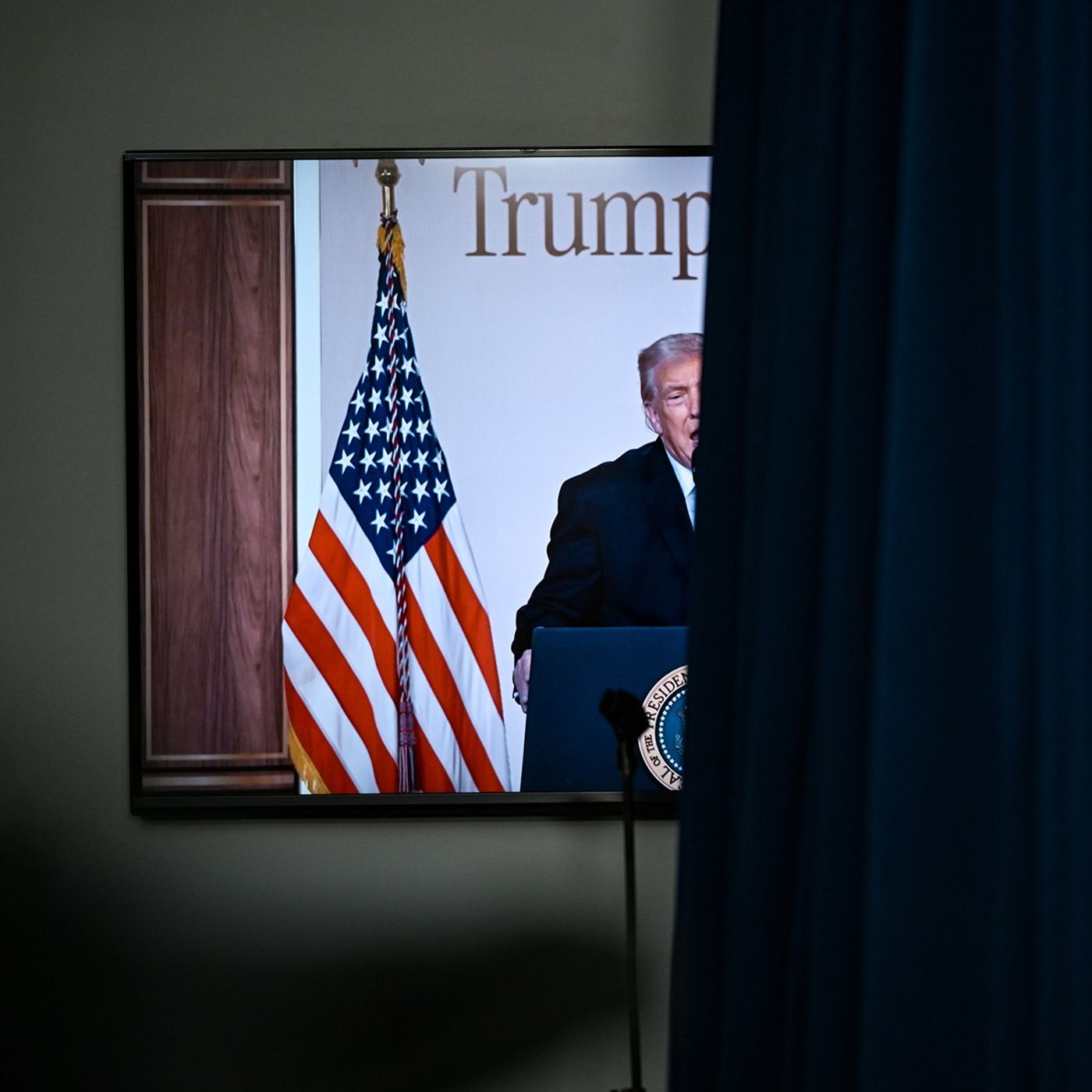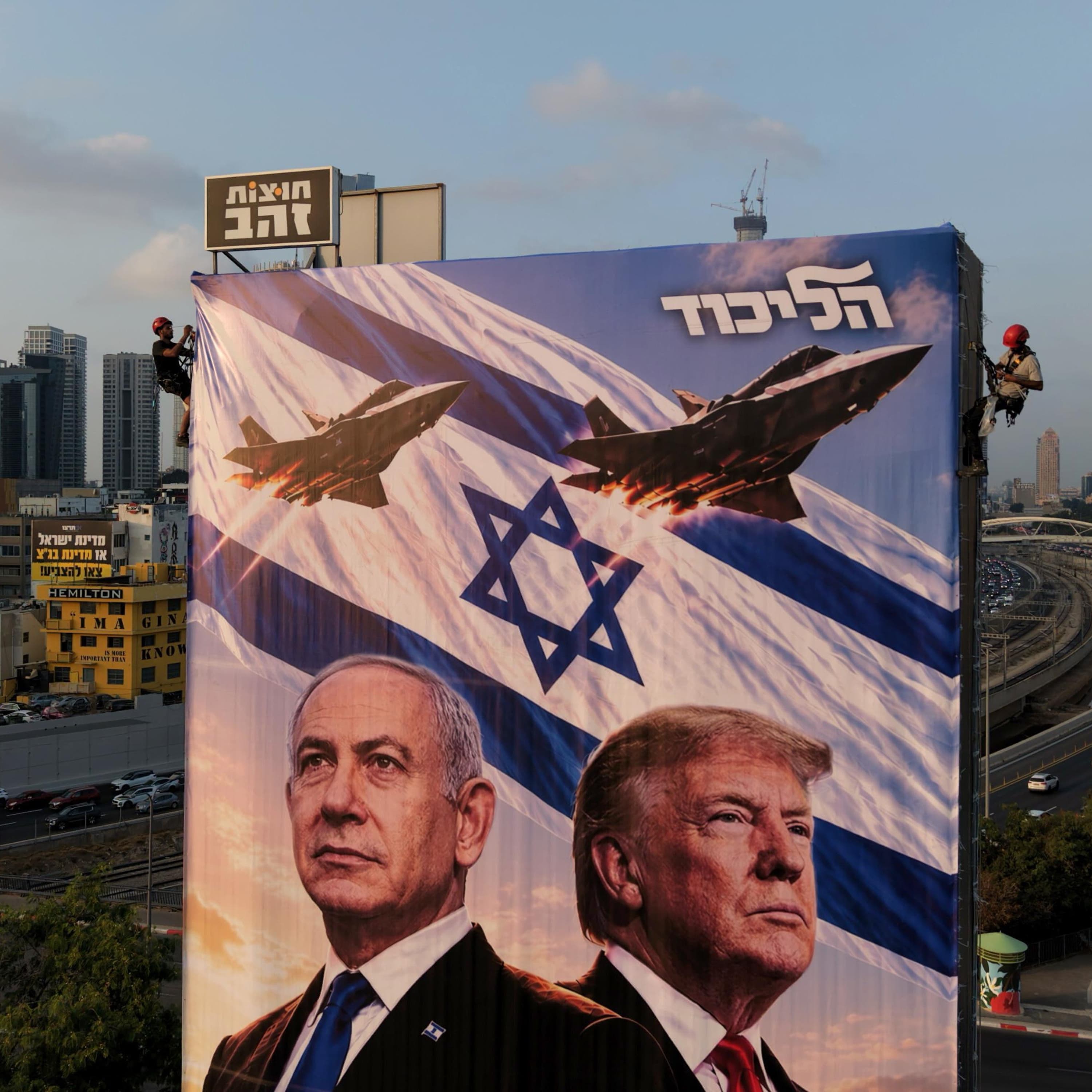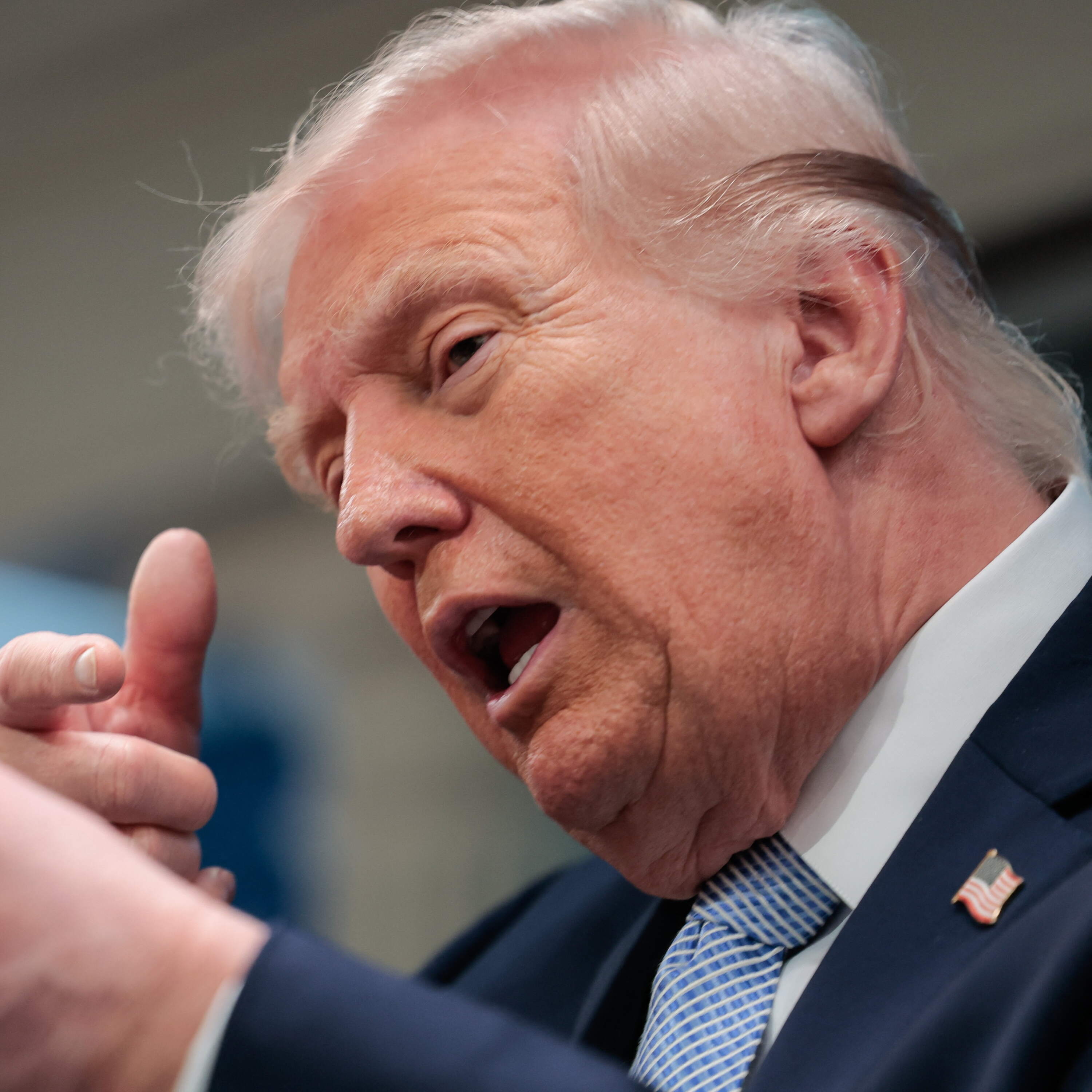
Earlier this month, President announced that there would be no new attacks on Iran before the midterm elections. But more recently, he seems to have changed his tune, openly referring to the possibility of an attack in interviews. What should we make of this apparent switch?
This episode was produced by Connor Donevan and Megan Lim, with audio engineering by Hannah Gluvna. Our director is Jonas Adams.
It was edited by Patrick Jarenwattananon and Tinbete Ermyas.
Our executive producer is Courtney Dorning.
Support public media with NPR+ and enjoy perks for over 25 podcasts like this one. This show’s perks include bonus episodes and sponsor-free listening. Learn more at plus.npr.org.
See pcm.adswizz.com for information about our collection and use of personal data for sponsorship and to manage your podcast sponsorship preferences.
NPR Privacy Policy
This episode was produced by Connor Donevan and Megan Lim, with audio engineering by Hannah Gluvna. Our director is Jonas Adams.
It was edited by Patrick Jarenwattananon and Tinbete Ermyas.
Our executive producer is Courtney Dorning.
Support public media with NPR+ and enjoy perks for over 25 podcasts like this one. This show’s perks include bonus episodes and sponsor-free listening. Learn more at plus.npr.org.
See pcm.adswizz.com for information about our collection and use of personal data for sponsorship and to manage your podcast sponsorship preferences.
NPR Privacy Policy
Read more