
Hot Car Deaths
The Dr. Joe Galati PodcastHot Car Deaths in Children
Every year in the United States, an average of 38 children die from heatstroke after being left in hot vehicles, according to national safety statistics. Since 1998, over 900 children have lost their lives this way. What makes these tragedies particularly heartbreaking is that they're entirely preventable. A car's interior temperature can rise by 20 degrees in just 10 minutes, and on an 80-degree day, temperatures inside a vehicle can reach a lethal 123 degrees within an hour—even with windows cracked. Young children are especially vulnerable because their bodies heat up three to five times faster than adults. About half of these cases occur when a caregiver simply forgets a child is in the back seat, often due to changes in routine or stress.
To prevent these tragedies, experts recommend the "Look Before You Lock" strategy: always check the back seat before leaving your vehicle. Place something you'll need—like your phone, purse, or employee badge—in the back seat next to your child, forcing you to open the back door. Keep a stuffed animal in the car seat when it's empty, and move it to the front seat as a visual reminder when your child is in back. Set phone reminders for daycare drop-offs, and arrange with your childcare provider to call if your child doesn't arrive as expected. Never leave a child unattended in a vehicle, even for "just a minute," and teach children that cars are not play areas.
Carotid Artery Disease and Stroke Risk
Recent research has revealed an important finding for those with carotid artery disease: individuals with significant narrowing of the carotid arteries may face an increased risk of stroke during heavy exercise. The carotid arteries supply oxygen-rich blood to the brain, and when they're compromised by atherosclerotic plaque buildup, intense physical exertion can potentially create conditions that reduce cerebral blood flow or dislodge plaque fragments. Key risk factors for cerebrovascular disease include high blood pressure, diabetes, high cholesterol, smoking, obesity, physical inactivity, and family history. Age, particularly over 55, and a history of heart disease or previous stroke also significantly elevate risk.
The good news is that many of these risk factors are modifiable. To reduce your risk of both cerebral and coronary artery disease, focus on maintaining healthy blood pressure through regular monitoring and medication if prescribed. Adopt a heart-healthy diet rich in fruits, vegetables, whole grains, and lean proteins while limiting saturated fats, sodium, and processed foods—the Mediterranean diet is particularly beneficial. Engage in regular moderate-intensity exercise, aiming for at least 150 minutes weekly, though those with known carotid disease should consult their physician before starting intense exercise programs. Quit smoking, maintain a healthy weight, manage diabetes through careful blood sugar control, and take prescribed medications for cholesterol and blood pressure consistently. Regular check-ups with your healthcare provider, including screening for carotid artery disease if you have risk factors, can catch problems early when they're most treatable.
How To Reach Dr. Joe Galati and his Team:
For an on-line consultation or press inquiries, contact Teresa Reyes at 713-794-0700
Dr. Galati's Newsletter Sign-Up
Liver Specialists of Texas
Get a Copy of Dr. Galati's Book
Dr. Galati on Facebook
Message Dr. Galati and his team
Hosted on Acast. See acast.com/privacy for more information.
Read more

This is a podcast about health and wellness
Explore more content:
Health A random podcastHow can I listen to other podcasts?
Click here to discover another podcast randomly, or here to browse our categories. Lazy? That's okay, we did some research and selected podcasts just for you.



And what is Podmust?
Podmust is a french project aiming to promote the best podcasts. You can help us by sharing this page (this also helps the podcast, by the way). Thank you! 🙏
Stay informed, the audio way.
Podmust curates what you need to listen.
Discover some of our collections:
our best Sports & Recreation podcastsour best Business podcastsour best TV & Film podcasts.

250 Years Later, Why We’re Still Fighting About Our Founding
The Daily
The 250-year experiment: America’s birthday
The Intelligence
Diving In | How Food Delivery Killed Competition (And Took Your Budget With It)
What Next
What's it like to search for loved ones after an earthquake?
Consider This
Stacey Abrams And Jane Fonda Discuss Why Activism Matters
What A Day
Lawn Games We Love, Beyond Cornhole
A soccer ball, a football, a tried-and-true set of cornhole are all classic go-to’s for a summer gathering. But there are a lot more outdoor games worth trying. This episode, Wirecutter… The Wirecutter ShowThe story we don't tell about how this country was founded
We have been told the American Revolution was fought over taxation and representation. But the last entry of the Declaration of Independence focuses on the founding fathers' contempt for… Code SwitchIt’s the Ultimate America 250 Trivia Game Show
Morning Brew DailyIran Supreme Leader's Funeral Begins, Global Stocks Rise, More
Bloomberg News NowJuly 4th Heat Wave, Russian Strikes On Ukraine, Future Of Democratic Party
Up FirstThe Camden 14: Naming America’s First Soldiers
Start HereWe hit the road for USA 250
The ExcerptWhat the Birthright Citizenship Decisions Mean for Conservatism
The Dispatch Podcast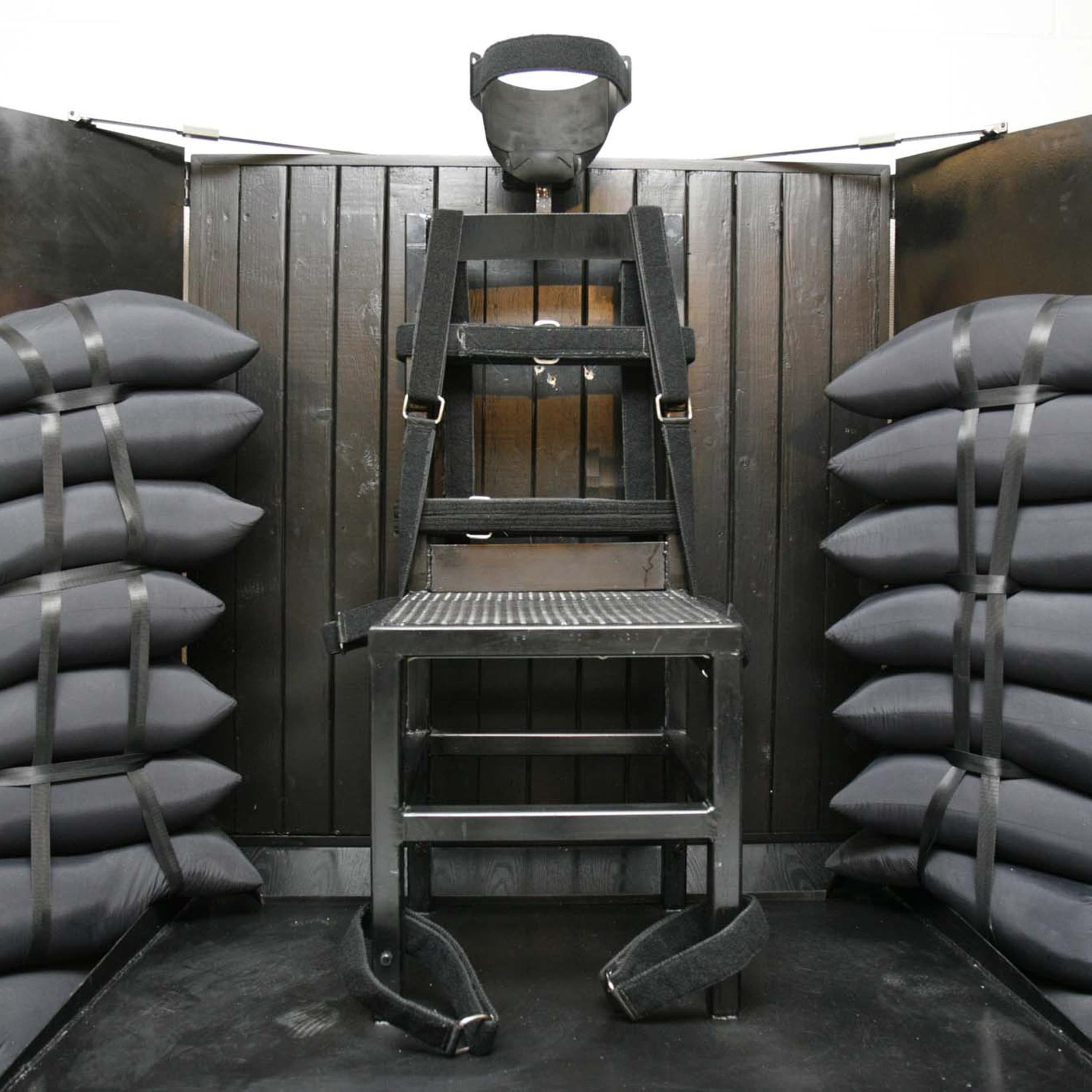
The return of the firing squad in Trump’s America
Why are more states than ever in the US using the firing squad as a method of execution? With chief reporter for Guardian US Ed Pilkington. Help support our independent journalism at… Today in Focus
Will Farage's finances lead to his downfall?
Nigel Farage has drawn increasing political and public scrutiny for a £5 million personal gift from cryptocurrency investor Christopher Harborne in 2024. Farage says it’s for his… The Story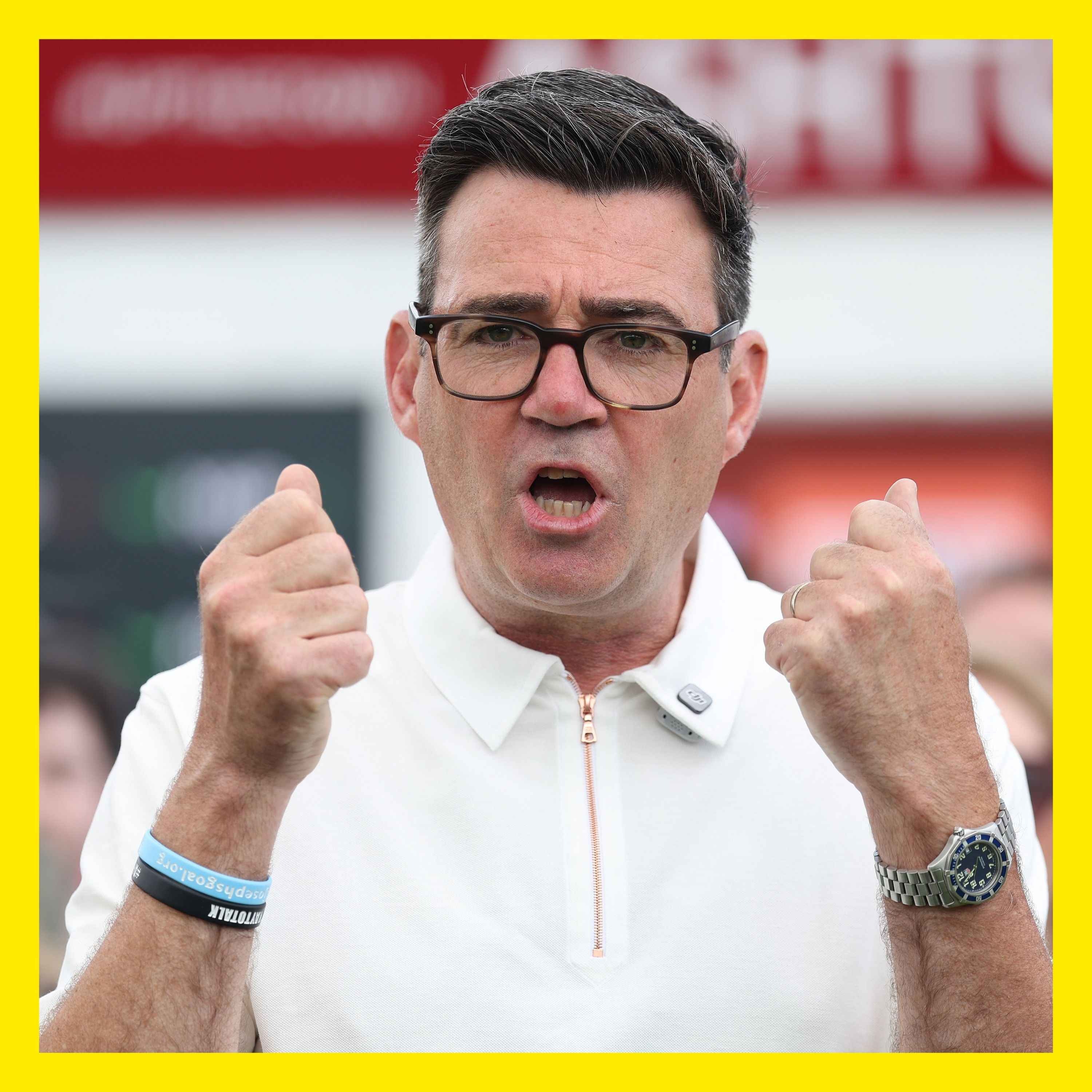
Paranoia in the Labour Party: the Andy Burnham enigma
Andy Burnham is keeping his cards close to his chest and no one seems to know who'll get what job. That means there's a huge amount of paranoia and jostling for position the Labour Party.… The State Of It
Politics Show: Burnham's devolution plan, defence and Kate Forbes
This week Andy Burnham (pictured) announced plans to expand the prime minister’s office to Manchester and create a “No. 10 North” as part of a “rewired Britain” if he becomes… ScotcastWell, the bad news is: we're French. But the good news is: Podmust curates the world's podcasts so you can focus on staying informed or entertained. And voilà!
© Podmust